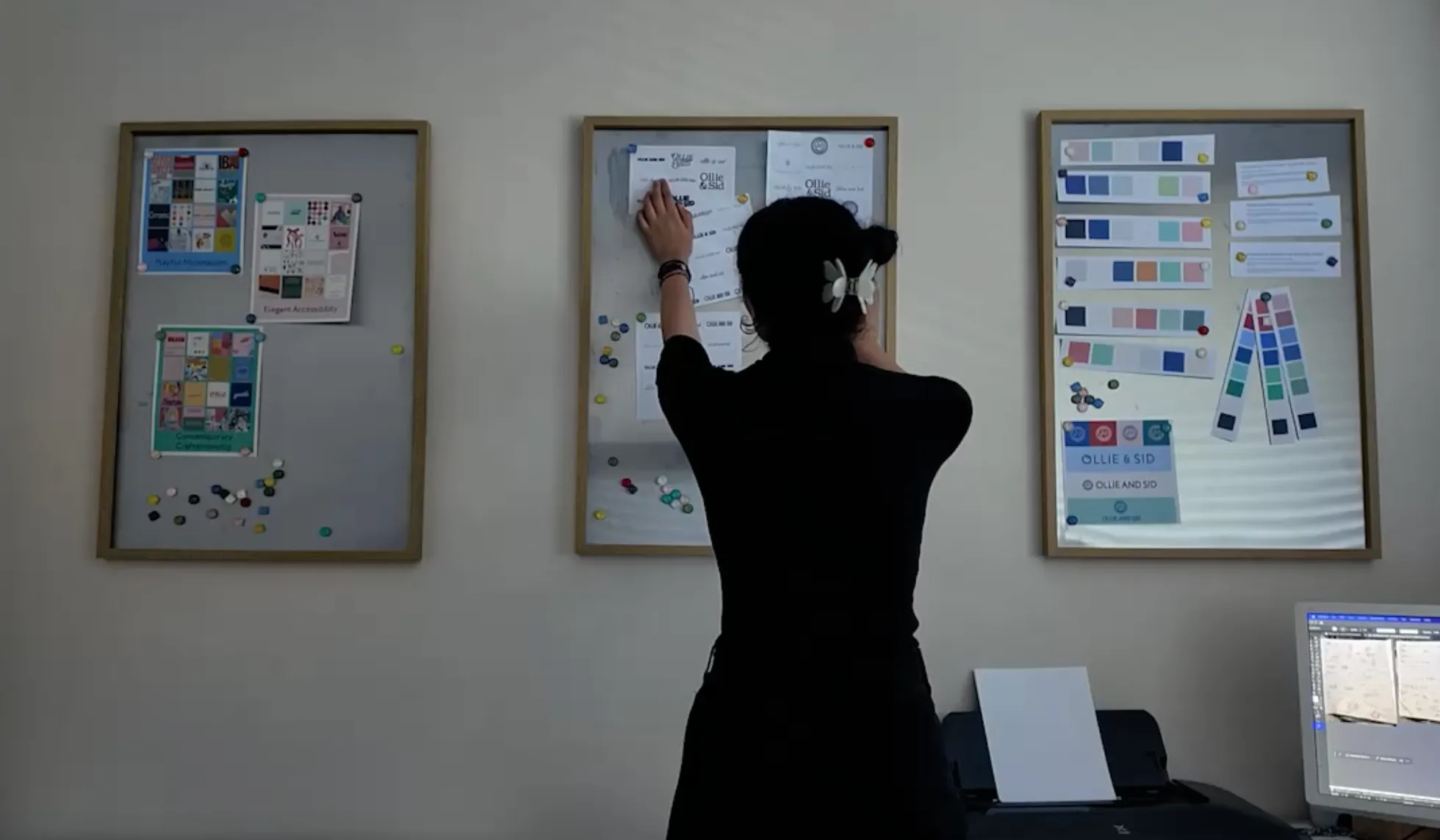
Half-day · Remote or In-person
Brand Audit & Workshop
Know exactly where you stand
Leave with a prioritised plan
A prioritised action plan to take away
We build brand worlds that make your customer feel right at home, from first encounter to recommending you to a friend. We make brands people won't shut up about.
What We Do
Start small with an audit, or build the whole system. Each service has clear, published pricing on its own page.
Know exactly where you stand
Leave with a prioritised plan
A prioritised action plan to take away
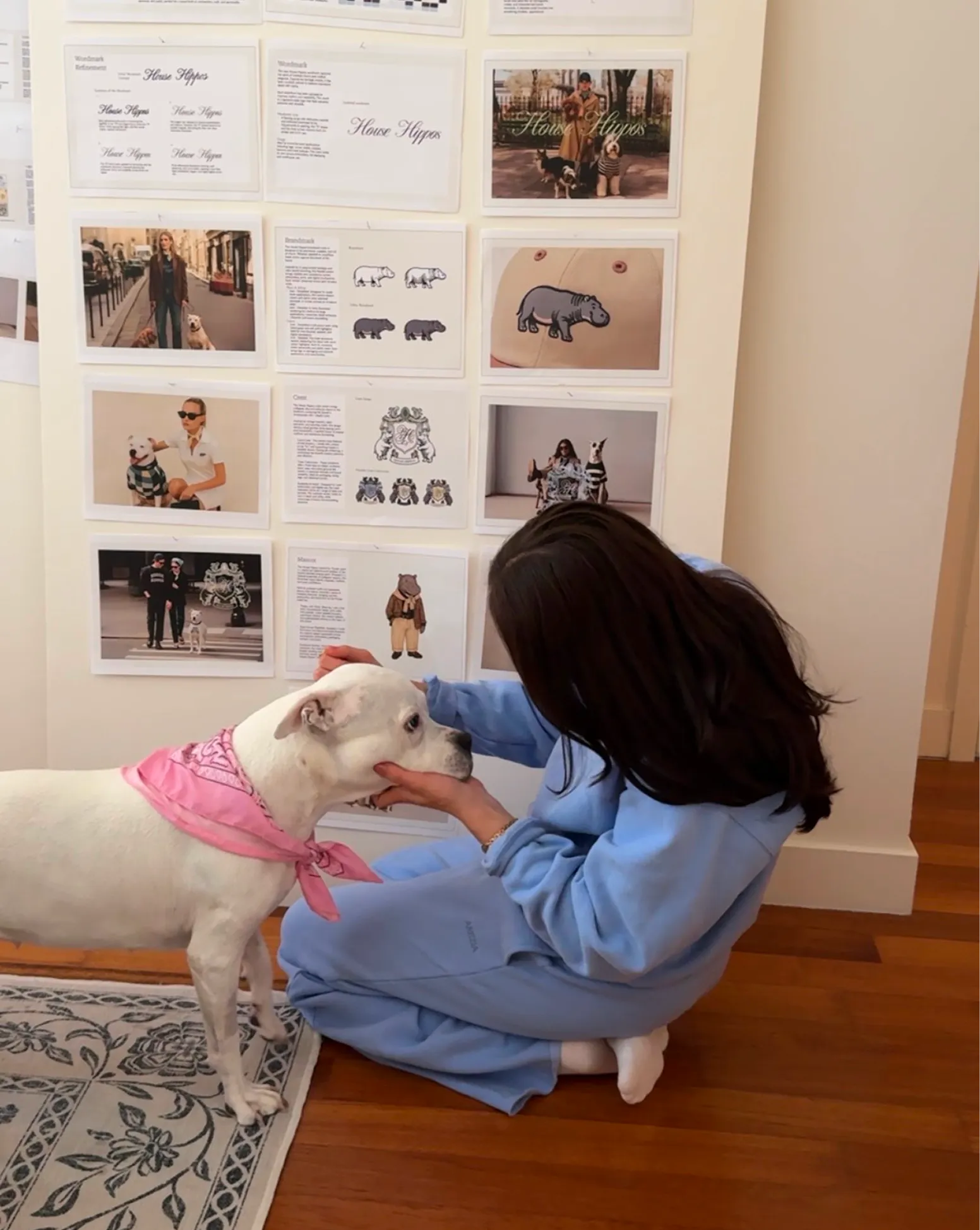
Become the brand your customer reaches for.
Positioning that holds for years
A team who can run it without you
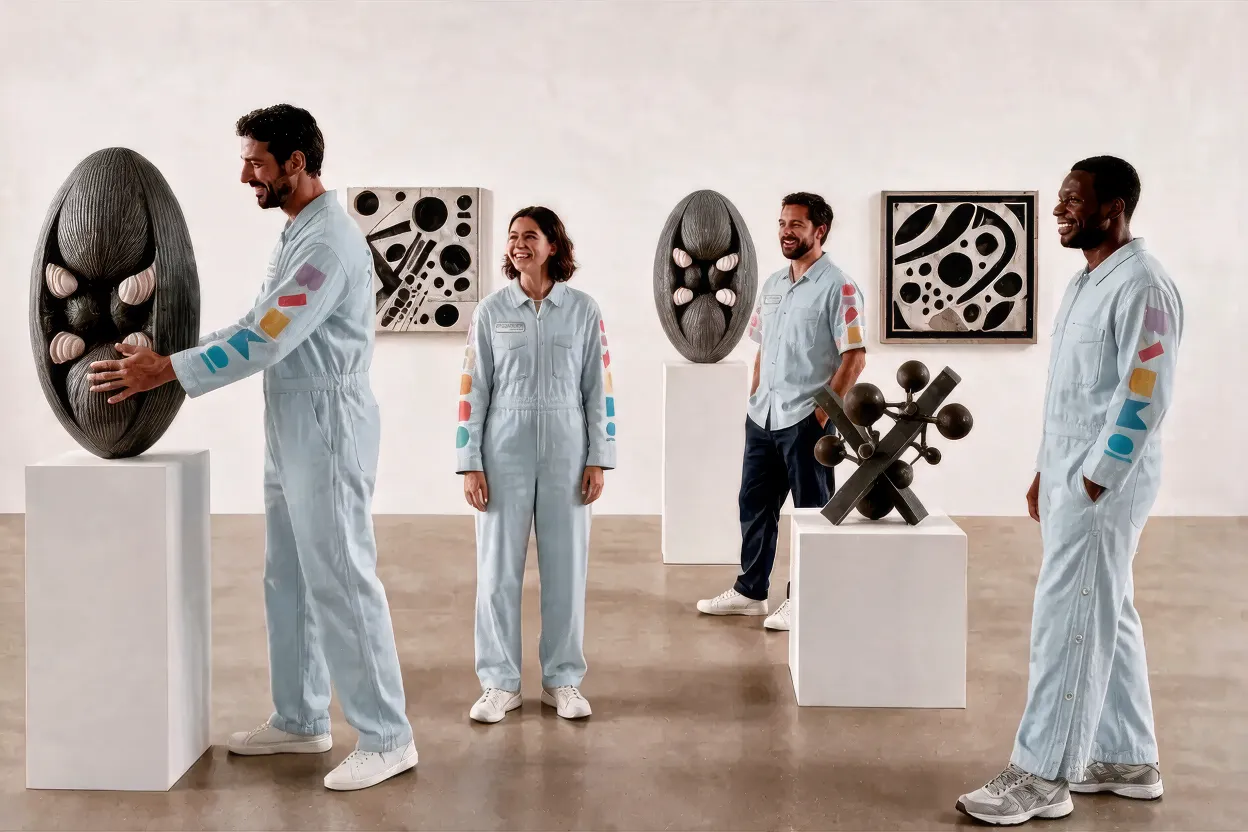
Turn the strategy and brand identity into immersive spaces your customer wants to get lost in.
Every touchpoint built cohesively to make your customers' day better
Web, packaging, campaign and print
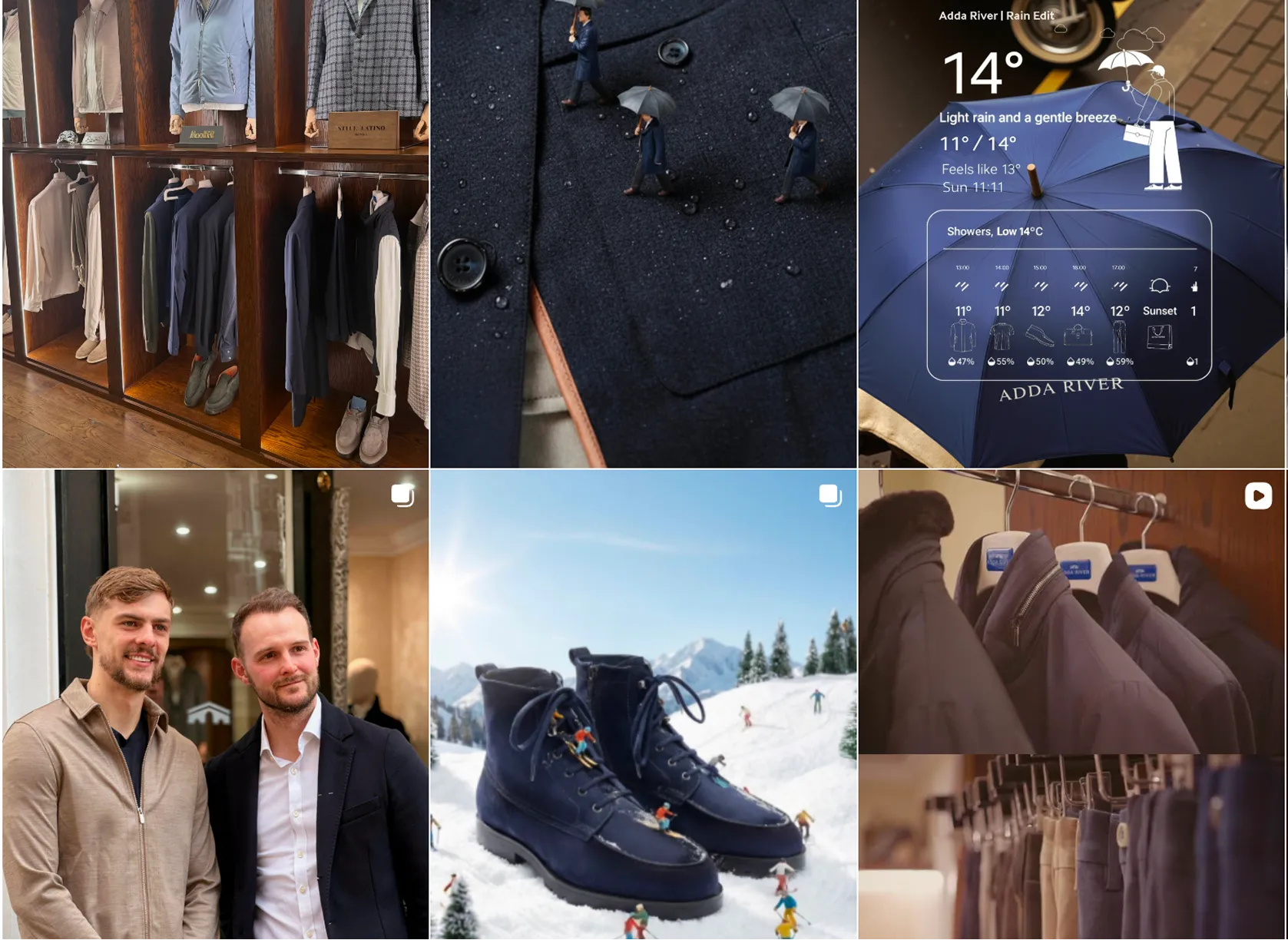
Stay the category defining brand your customers continue to choose.
A creative partnership on retainer
Consistency across every channel as you scale
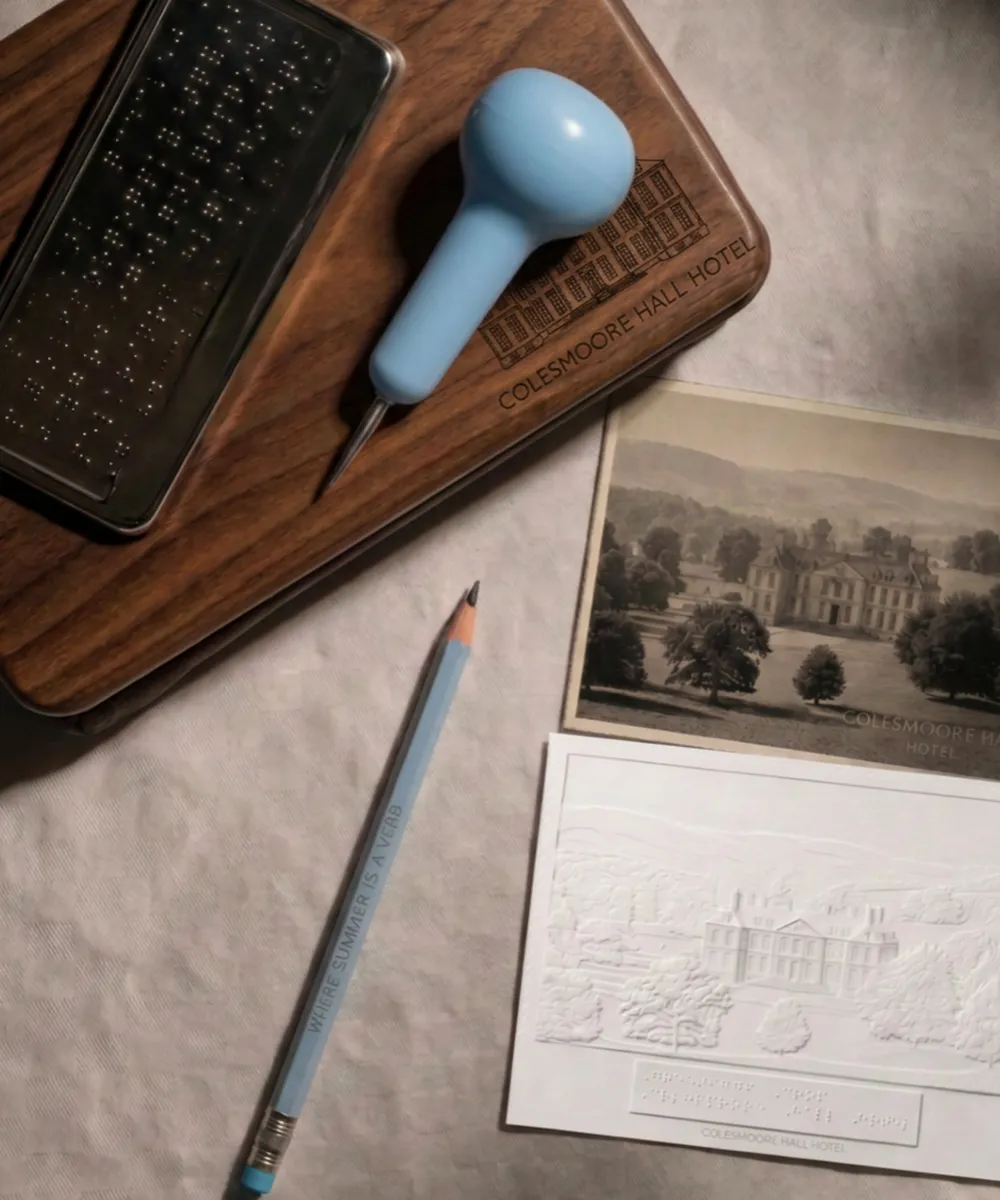
Set aside the big-button telephone. That is accessible design, and it is also patronising design.
Accessible design that looks at the access need loses the person holding it. Having an access need doesn't remove your taste, your sense of occasion, or your right to want beautiful, emotive experiences.
Too much of what gets called accessible design is didactic. It talks down. Most studies into products for blind and partially sighted people never consult a blind or partially sighted person, choosing instead to blindfold people with 20/20 vision. That framing reaches well past disability. It reaches anyone whose the market labels not the norm.
You cannot design for a lived experience you refused to meet and understand. That's why 'Nothing about us without us' is our research method, not a slogan.
When design really designs for your customer as the whole person they are and something else happens. They feel seen, and being seen gives people agency. Agency is where loyalty and community come from, and it is the one thing a competitor with more shelf space and a lower price cannot replicate.
That is how you become and stay the only brand that matters to your customer.
You’re ready for this if…
We’re probably not the fit if…
Not sure? Begin with a Brand Audit — half a day, fully credited toward any project you book, so we’ll both know quickly.
The Process
Half-day or full-day diagnostic. You get a deck, a three-option proposal, and total clarity on what comes next.
We start with positioning, audience, and the brand idea that makes everything else possible. Before we think about moodboards.
Three concepts all based on the brand strategy. You choose one, or often, elements from all three you like. We refine it together. You walk away with a full brand system, that you feel confident to use, not just a logo.
Websites, packaging, campaigns. We bring the system to life across the touchpoints that matter to your business.
SELECTED WORK
Most brand identity projects run 6 to 8 weeks from kickoff to handover. Scope moves that: a single-product brand lands faster than one with packaging ranges and multiple audiences. A Brand Audit can be done in a day. Brand World Building is scoped to the project. Rush turnaround is sometimes possible.
Every service has published pricing on its own page, so you can size the decision before you speak to anyone. Brand Audit & Workshop is the smallest entry point and is credited in full toward any project you book afterwards.
Yes. A deposit starts the work and the rest of the balance is paid via phased payments across the schedule. Audits are paid in full to confirm the booking, because research happens before the workshop. Ongoing Partnerships run as a monthly standing order.
We don't sell logos on their own. Every project includes strategy, because a logo without positioning is a shape with no argument behind it and it will be redrawn within two years. If you need a straightforward file refresh, we can point you to someone brilliant who does exactly that.
Inclusive brand design means researching how your customer experiences the world, including permanent, temporary and situational barriers, and building the brand strategy on that research rather than checking it at the end. It doesn't mean designing for everyone. It means designing specifically for the people you're for, and removing what stands between them and you.
It means designing for your customer as a whole person, not as a list of requirements. Having an access need doesn't remove someone's taste or their sense of occasion, and design that forgets this ends up patronising the people it claims to serve. If your customer is a busy mother, we're designing for time pressure, one free hand and the tube at rush hour, and for the elevated thing she deserves rather than the flattened version of her most brands settle for. If you run a bar, we're thinking about wayfinding, lighting and sound that hold the atmosphere while nobody reaches for a phone torch to read the menu or escapes to the smoking area to finish a sentence. We think about branding like atmosphere. The foundations have to work before the flourishes can land. Without them the aesthetics become noise in an already saturated market.
It means we research your audience's needs with them rather than assuming them from the outside. There are studies into products for blind and partially sighted people that never consulted a blind or partially sighted person, running blindfolded participants with 20/20 vision instead. You cannot design for a lived experience you refused to sit with. Real access needs and motivations surface through the strategy process and shape the design from the inside.
Start with a Brand Audit. Half a day or a full day, remote or in-studio. You leave with a deck showing exactly where you stand, where the gaps are, and a three-option proposal for what comes next. The fee credits toward any project you book within 30 days.